
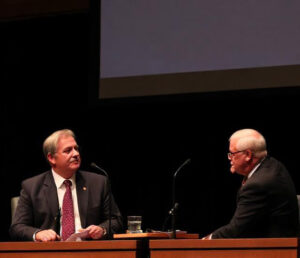
Debate
This is a clear warning from Jesus about giving sacred truths, like the gospel, to people who will despise or abuse them. We ought to have discernment about who is and who isn’t open to hearing the good news. Jesus also said “if anyone will not welcome you or heed your words, shake the dust off your feet when you leave that home or town” (Matthew 10:14).
This instruction to the disciples emphasizes not lingering where the message is rejected, but moving on to those whose hearts may be ready to receive it. In my opinion, there is a significant opportunity cost associated with debating someone who has already made up their mind in opposition to God. Every minute spent arguing with a hardened atheist is a minute not spent sharing the gospel with someone genuinely searching for God.
Christians are called to steward their time wisely because “The harvest is plentiful, but the workers are few. Ask the Lord of the harvest, therefore, to send out workers into His harvest” (Matthew 9:37b-38). Time is finite; time spent debating someone intent on refuting the gospel is time that could have been invested in guiding those who are truly seeking answers.
Paul wrote to Timothy, “Have nothing to do with foolish, ignorant controversies; you know that they breed quarrels” (2 Timothy 2:23). While I recognize that some debates may serve an audience of onlookers, some of whom may be searching for truth, far more can be accomplished through one-on-one conversations giving those seeking a chance to ask sincere questions.
Some Christians may also fall into the trap of debating for the sake of being right or winning, or even for profit, as social media often rewards outrage with clicks and views rather than meaningful engagement.
In the end, my choice not to debate is not out of fear, but out of love for the people God is currently calling. I prefer to invest my time in teaching those who are ready to listen, trusting God to open hearts rather than attempting to force agreement in the heat of an argument. True ministry is about sowing seeds into the good soil where they can grow, not in mic-drop moments of trying to defeat the opposition.
Paul said, the Bereans were more noble-minded than the Thessalonians, for they received the message with great eagerness and examined the Scriptures every day to see if these teachings were true (Acts 17:11). I feel confident in saying that the atheist who enters into a public debate with a Christian, does not later examine the Scriptures with eagerness to see if what the Christian said is true.